
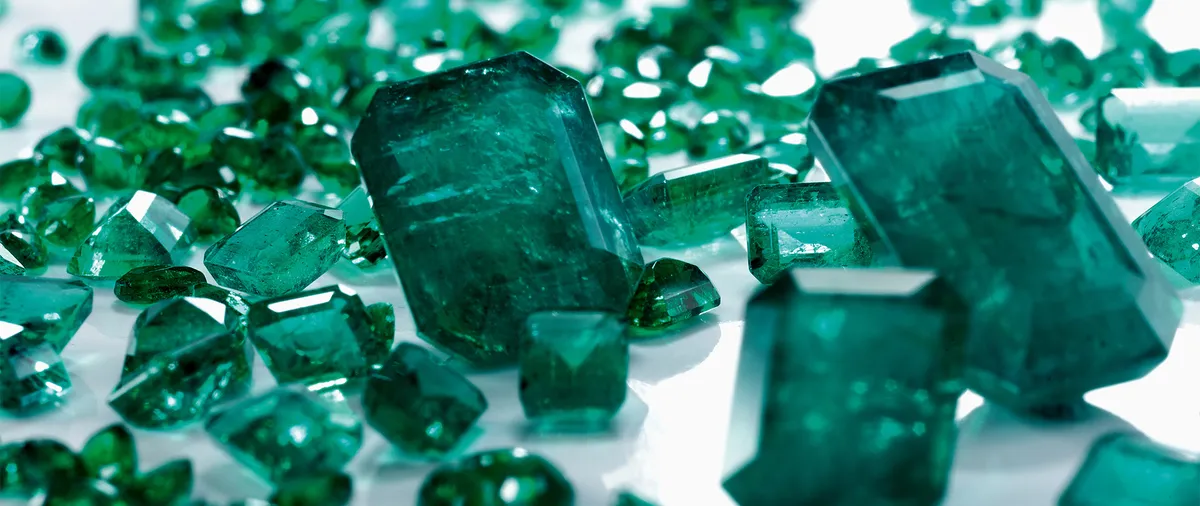
Emerald, the lush green birthstone of May, has captivated civilizations for thousands of years with its vivid color and rich symbolism. Associated with renewal, growth, and vitality, emerald feels perfectly suited to spring’s full bloom. But beyond its beauty, this gemstone carries a fascinating history filled with royalty, myth, and intrigue.
At its core, emerald is a variety of the mineral beryl, colored green by trace amounts of chromium and sometimes vanadium. Its signature hue ranges from soft grassy tones to deep, velvety greens, with the most prized stones displaying a насыщенный (rich), slightly bluish green. Unlike many other gemstones, emeralds often contain internal inclusions—affectionately called “jardin,” the French word for garden—giving each stone a unique, organic character rather than flawless perfection.
Emerald’s story stretches back to ancient times. The earliest known emerald mines date to Egypt around 1500 BCE, though some sources suggest mining may have begun even earlier. These mines, later called “Cleopatra’s Mines,” were famously adored by Queen Cleopatra herself. She had a well-documented passion for emeralds, using them in her royal adornments and even gifting them to foreign dignitaries as symbols of her power and sophistication. Legend has it she claimed ownership of all emerald mines in Egypt during her reign.
Beyond Egypt, emeralds held deep meaning in other cultures. In ancient Rome, the gemstone was linked to Venus, the goddess of love and beauty. Romans believed emeralds could soothe tired eyes—Pliny the Elder wrote that engravers would rest their eyes by gazing at the stone’s calming green color. In South America, long before European contact, the Muzo people of present-day Colombia revered emeralds as sacred. When Spanish conquistadors arrived in the 16th century, they were astonished by the richness of Colombian emerald deposits, which remain some of the finest in the world today.
Colombia continues to be the most famous source of emeralds, producing stones known for their exceptional color and quality. Other notable sources include Zambia, Brazil, and Afghanistan, each contributing slightly different shades and characteristics. Zambian emeralds, for example, often have a deeper, cooler green with bluish undertones, while Brazilian emeralds can be lighter and more vibrant.
Emeralds have long been associated with powerful symbolism. Traditionally, they represent rebirth, love, and wisdom. In medieval times, people believed emeralds could predict the future, reveal truth, and even protect against spells. Some legends claimed the stone would change color if a lover was unfaithful—an idea that, while romantic, is more poetic than scientific.
The gem’s connection to love and fidelity has endured into modern times, making emerald jewelry a meaningful gift for anniversaries, particularly the 20th and 35th. Its vibrant green also symbolizes hope and renewal, aligning beautifully with May birthdays and the energy of spring.
Throughout history, emeralds have adorned some of the most iconic jewelry collections in the world. One of the most famous is the emerald and diamond tiara owned by Princess Katharina Henckel von Donnersmarck, which features a stunning array of large Colombian emeralds. Another notable example is the Chalk Emerald, a 37.8-carat stone originally mined in Colombia and now housed in the Smithsonian Institution. Its mesmerizing color and clarity make it one of the most admired emeralds on display.
Elizabeth Taylor, known for her extraordinary jewelry collection, also helped cement emeralds’ status as a symbol of glamour. Her Bulgari emerald suite, a gift from Richard Burton, included a necklace, earrings, and brooch featuring vivid green stones that perfectly complemented her iconic style.
Despite their allure, emeralds require a bit more care than other gemstones. They rank 7.5 to 8 on the Mohs hardness scale, making them relatively durable, but their natural inclusions can make them more prone to cracking if struck. Many emeralds are treated with oils to enhance clarity, so gentle cleaning i.e. avoiding harsh chemicals or ultrasonic cleaners is recommended.
What makes emeralds truly special is that they embrace imperfection. Unlike diamonds, where clarity is paramount, emeralds are valued for their color and character. Those tiny inclusions tell a story of the earth’s natural formation process, making each gem one of a kind.
For those born in May or anyone drawn to its vibrant energy emerald offers more than just visual beauty. It’s a stone steeped in history, romance, and meaning, worn by queens, treasured by ancient civilizations, and still admired today. Whether set in a delicate pendant, a bold cocktail ring, or a timeless pair of earrings, emerald continues to symbolize life at its most vivid and enduring.
At its core, emerald is a variety of the mineral beryl, colored green by trace amounts of chromium and sometimes vanadium. Its signature hue ranges from soft grassy tones to deep, velvety greens, with the most prized stones displaying a насыщенный (rich), slightly bluish green. Unlike many other gemstones, emeralds often contain internal inclusions—affectionately called “jardin,” the French word for garden—giving each stone a unique, organic character rather than flawless perfection.
Emerald’s story stretches back to ancient times. The earliest known emerald mines date to Egypt around 1500 BCE, though some sources suggest mining may have begun even earlier. These mines, later called “Cleopatra’s Mines,” were famously adored by Queen Cleopatra herself. She had a well-documented passion for emeralds, using them in her royal adornments and even gifting them to foreign dignitaries as symbols of her power and sophistication. Legend has it she claimed ownership of all emerald mines in Egypt during her reign.
Beyond Egypt, emeralds held deep meaning in other cultures. In ancient Rome, the gemstone was linked to Venus, the goddess of love and beauty. Romans believed emeralds could soothe tired eyes—Pliny the Elder wrote that engravers would rest their eyes by gazing at the stone’s calming green color. In South America, long before European contact, the Muzo people of present-day Colombia revered emeralds as sacred. When Spanish conquistadors arrived in the 16th century, they were astonished by the richness of Colombian emerald deposits, which remain some of the finest in the world today.
Colombia continues to be the most famous source of emeralds, producing stones known for their exceptional color and quality. Other notable sources include Zambia, Brazil, and Afghanistan, each contributing slightly different shades and characteristics. Zambian emeralds, for example, often have a deeper, cooler green with bluish undertones, while Brazilian emeralds can be lighter and more vibrant.
Emeralds have long been associated with powerful symbolism. Traditionally, they represent rebirth, love, and wisdom. In medieval times, people believed emeralds could predict the future, reveal truth, and even protect against spells. Some legends claimed the stone would change color if a lover was unfaithful—an idea that, while romantic, is more poetic than scientific.
The gem’s connection to love and fidelity has endured into modern times, making emerald jewelry a meaningful gift for anniversaries, particularly the 20th and 35th. Its vibrant green also symbolizes hope and renewal, aligning beautifully with May birthdays and the energy of spring.
Throughout history, emeralds have adorned some of the most iconic jewelry collections in the world. One of the most famous is the emerald and diamond tiara owned by Princess Katharina Henckel von Donnersmarck, which features a stunning array of large Colombian emeralds. Another notable example is the Chalk Emerald, a 37.8-carat stone originally mined in Colombia and now housed in the Smithsonian Institution. Its mesmerizing color and clarity make it one of the most admired emeralds on display.
Elizabeth Taylor, known for her extraordinary jewelry collection, also helped cement emeralds’ status as a symbol of glamour. Her Bulgari emerald suite, a gift from Richard Burton, included a necklace, earrings, and brooch featuring vivid green stones that perfectly complemented her iconic style.
Despite their allure, emeralds require a bit more care than other gemstones. They rank 7.5 to 8 on the Mohs hardness scale, making them relatively durable, but their natural inclusions can make them more prone to cracking if struck. Many emeralds are treated with oils to enhance clarity, so gentle cleaning i.e. avoiding harsh chemicals or ultrasonic cleaners is recommended.
What makes emeralds truly special is that they embrace imperfection. Unlike diamonds, where clarity is paramount, emeralds are valued for their color and character. Those tiny inclusions tell a story of the earth’s natural formation process, making each gem one of a kind.
For those born in May or anyone drawn to its vibrant energy emerald offers more than just visual beauty. It’s a stone steeped in history, romance, and meaning, worn by queens, treasured by ancient civilizations, and still admired today. Whether set in a delicate pendant, a bold cocktail ring, or a timeless pair of earrings, emerald continues to symbolize life at its most vivid and enduring.