
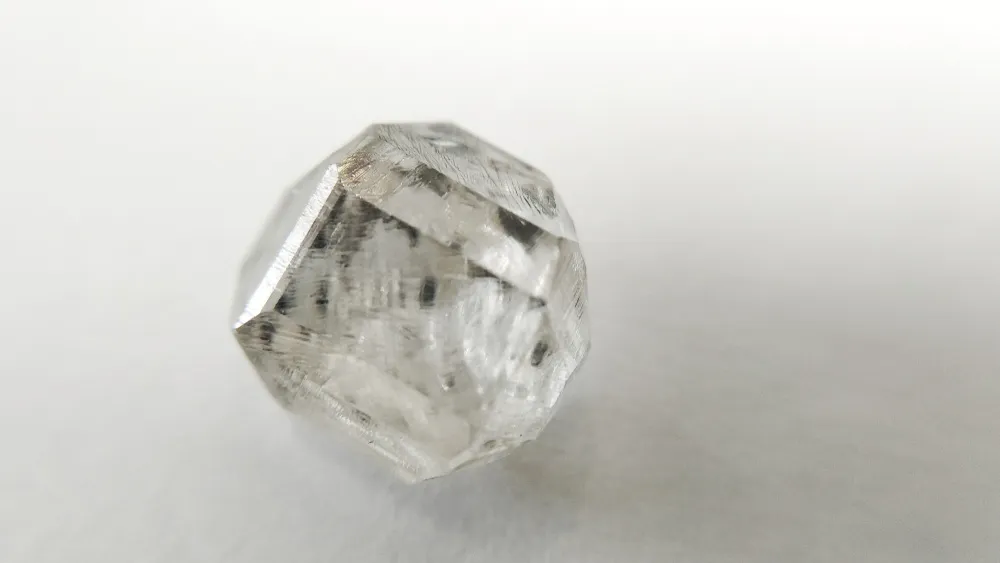
Sustainability is one of the biggest conversations happening in the jewelry world right now—and it’s often one of the first things people ask about when comparing lab-grown and natural diamonds.
You may have heard that lab-grown diamonds are the more environmentally friendly option. While they can be a great choice for some, the reality is a little more complex than that.
Where the “Eco-Friendly” Idea Comes From
Lab-grown diamonds are created in controlled environments, which means they don’t require traditional mining.
Because of that, they’re often marketed as the more sustainable or environmentally conscious choice.
And on the surface, that makes sense.
The Energy Behind Lab-Grown Diamonds
What’s less often discussed is the amount of energy required to create a lab-grown diamond.
These diamonds are produced using high-pressure, high-temperature (HPHT) or chemical vapor deposition (CVD) processes—both of which require significant electricity.
The environmental impact of a lab-grown diamond depends heavily on how that energy is sourced.
It’s easy to look for a simple answer one option that’s clearly “better.”
But when it comes to sustainability, there isn’t a one-size-fits-all conclusion.
Both lab-grown and natural diamonds come with environmental considerations, just in different ways.
What Matters Most
For some people, avoiding mining is a priority. For others, supporting natural resources and global communities is important.
The key is understanding the full picture so you can make a decision that aligns with your values.
Our Perspective at Saxons
At Saxons, we believe in giving you honest, balanced information.
We specialize in natural diamonds because we value their rarity, story, and long-term significance. But we also understand that sustainability means different things to different people.
If you’re exploring your options, we’re here to walk you through both—no pressure, just clarity.
You may have heard that lab-grown diamonds are the more environmentally friendly option. While they can be a great choice for some, the reality is a little more complex than that.
Where the “Eco-Friendly” Idea Comes From
Lab-grown diamonds are created in controlled environments, which means they don’t require traditional mining.
Because of that, they’re often marketed as the more sustainable or environmentally conscious choice.
And on the surface, that makes sense.
The Energy Behind Lab-Grown Diamonds
What’s less often discussed is the amount of energy required to create a lab-grown diamond.
These diamonds are produced using high-pressure, high-temperature (HPHT) or chemical vapor deposition (CVD) processes—both of which require significant electricity.
The environmental impact of a lab-grown diamond depends heavily on how that energy is sourced.
- If renewable energy is used, the footprint may be lower
- If fossil fuels are used, the impact can be much higher
- The Natural Diamond Industry Today
- At the same time, the natural diamond industry has evolved significantly over the years.
- Ethical labor practices
- Environmental responsibility
- Supporting local communities
- In fact, natural diamond mining supports millions of jobs worldwide and contributes to infrastructure, education, and healthcare in many regions.
- The majority of this falls under the Kimberly Process, which ensures the ethical extraction and selling of diamonds. Something we at Saxon's have been a part of since we opened and before it even had a name.
It’s easy to look for a simple answer one option that’s clearly “better.”
But when it comes to sustainability, there isn’t a one-size-fits-all conclusion.
Both lab-grown and natural diamonds come with environmental considerations, just in different ways.
What Matters Most
For some people, avoiding mining is a priority. For others, supporting natural resources and global communities is important.
The key is understanding the full picture so you can make a decision that aligns with your values.
Our Perspective at Saxons
At Saxons, we believe in giving you honest, balanced information.
We specialize in natural diamonds because we value their rarity, story, and long-term significance. But we also understand that sustainability means different things to different people.
If you’re exploring your options, we’re here to walk you through both—no pressure, just clarity.